N,N-Dimethyltryptamine
Price range: $130.00 through $2,300.00
Overview of N,N-Dimethyltryptamine (DMT)
What Is DMT?
Cultural and Historical Significance
Modern Recognition
Legal Status
Understanding N,N-Dimethyltryptamine (DMT)
What Is DMT?
N,N-Dimethyltryptamine (DMT) is a naturally occurring tryptamine compound found in numerous plant and animal species. It is known for producing potent psychedelic experiences and has been used for centuries in various cultural and spiritual contexts as an entheogenic substance. Researcher Rick Strassman famously referred to it as “the spirit molecule.”
In most countries, DMT is classified as an illegal substance.
Alternate Names and Cultural Background
Common Street or Informal Names
DMT is also known by several other names, including:
-
Fantasia
-
Businessman’s Trip
-
The Spirit Molecule
-
45-Minute Psychosis
-
“Dimitri”
Historical and Ceremonial Use
For hundreds of years, Indigenous communities in parts of South America have used DMT-containing plants in ritualistic and religious ceremonies. Although traditionally plant-based, synthetic versions can also be produced in laboratory settings.
Effects of DMT
Varied Experiences
The effects of DMT can differ widely from person to person. Some individuals report profound or meaningful experiences, while others may encounter uncomfortable or distressing reactions. Descriptions often include:
-
Intense visual imagery such as bright colors, shapes, or patterns
-
Sensations of moving rapidly or “at high speed”
-
Out-of-body experiences or feelings of transformation
Forms and Onset (Non-Instructional Overview)
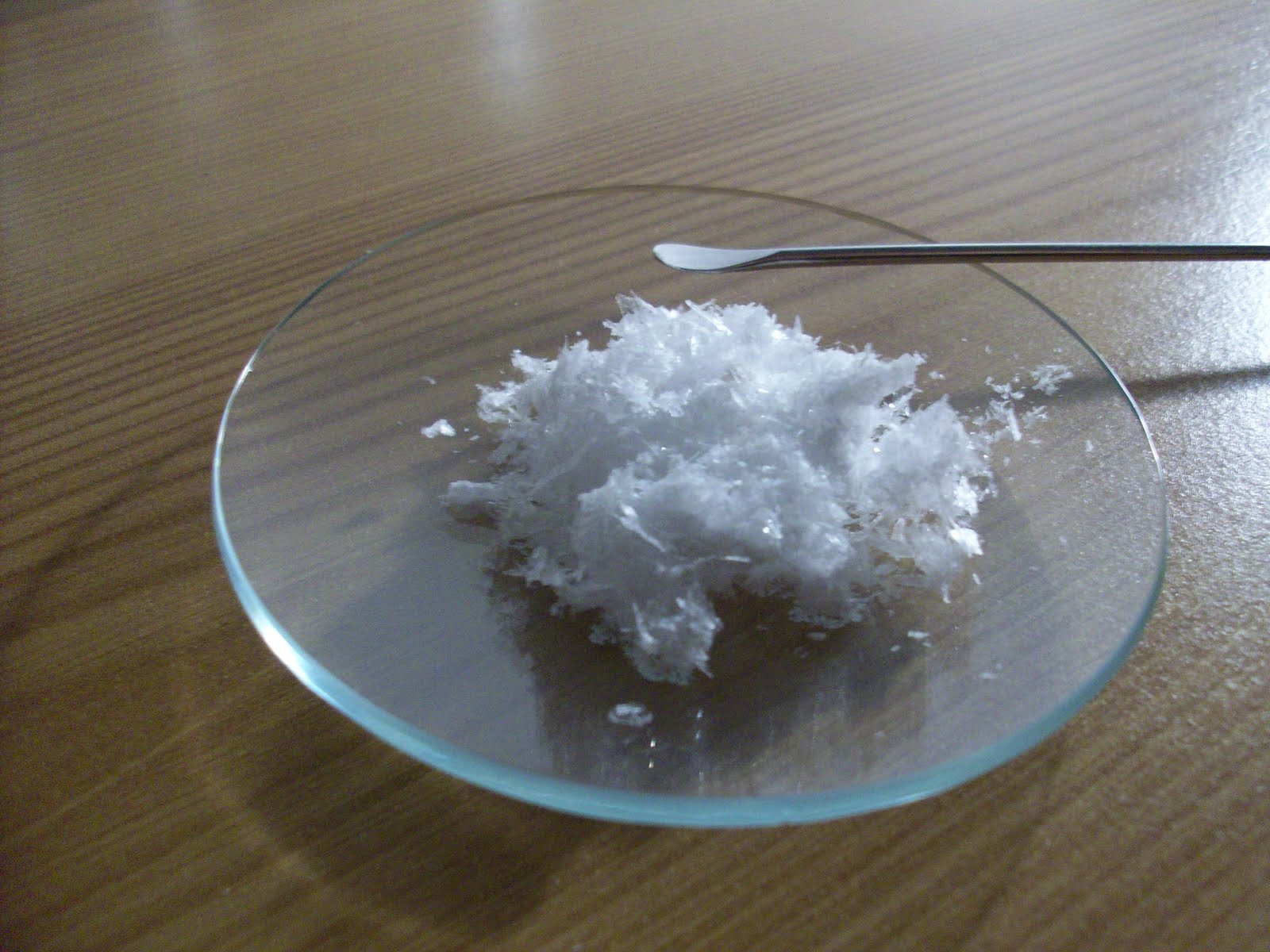
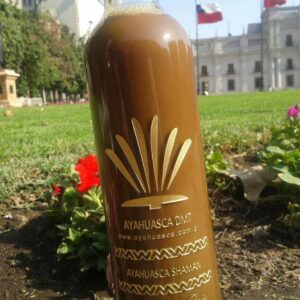
DMT is commonly found as a white crystalline powder. In ceremonial contexts, plant preparations may be brewed into tea-like beverages of varying strengths.
The onset of effects is generally rapid—often within minutes—while brewed preparations may take longer to produce noticeable changes.
| Quantity | 1 Ounce, 1/2 ounce, 1/4 Lbs, 10 Grams, 2 Grams, 5 Grams |
|---|
Be the first to review “N,N-Dimethyltryptamine”
Related products
Mushrooms
Psychedelics Collection
Psychedelics Collection
Psychedelics Collection

LSD
Psychedelics Collection
Psychedelics Collection
Reviews
There are no reviews yet.