
Sale!
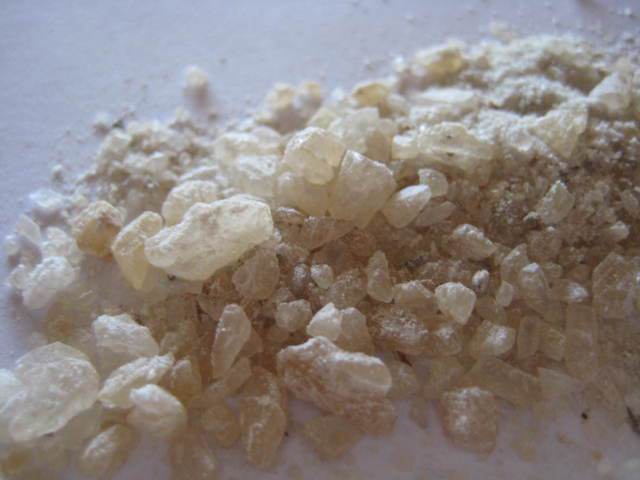
MDMA (Powder/Crystals)


Price range: $145.00 through $1,100.00
Overview of 3,4-Methylenedioxymethamphetamine (MDMA)
What It Is
3,4-Methylenedioxymethamphetamine (MDMA), often referred to as ecstasy, is a psychoactive substance commonly used for recreational purposes.
Effects
MDMA is known for producing heightened sensory perception, increased energy, enhanced empathy, and a stronger sense of pleasure.
Onset and Duration
When consumed orally, its effects typically begin within 30 to 45 minutes and can continue for approximately 3 to 6 hours.
MDMA (Ecstasy): Overview, Effects, and Safety Considerations
What Is MDMA?
3,4-Methylenedioxymethamphetamine (MDMA), widely recognized as ecstasy, is a psychoactive substance most commonly used recreationally. People seek it for its ability to heighten sensory experiences, boost energy, and enhance feelings of empathy and pleasure. When taken orally, the onset typically occurs within 30–45 minutes, with effects lasting between 3 and 6 hours.
Forms of MDMA
Powder and Crystal Variants
MDMA refers specifically to the chemical 3,4-methylenedioxymethamphetamine, which often appears as a powder or crystalline substance. This compound is the main psychoactive ingredient found in ecstasy products. In recent years, the overall MDMA content in ecstasy pills circulating in parts of Europe has reportedly increased.
Common Methods of Use (Non-Instructional Overview)
People may ingest MDMA in various ways. While some choose to swallow it, others may attempt alternative methods such as crushing and inhaling. However, practices like frequent nasal use can irritate or damage soft tissues, which is why they are generally discouraged from a health perspective.
Effects of MDMA
Onset and Duration
Depending on how it is consumed, MDMA’s effects can begin within roughly 20 minutes and may last anywhere from 2 to 6 hours. In some cases, lingering after-effects can extend over several days.
Psychological and Physical Effects
MDMA may produce sensations such as:
Elevated mood, euphoria, and increased sociability
Heightened sensory perception, including intensified colors and sounds
A stronger emotional connection to music or conversations
Increased heart rate and body temperature
Other potential effects can include:
Hallucinations or visual distortions
Enlarged pupils
Anxiety or difficulty regulating emotions
Trouble urinating
Safety and Precautionary Considerations
While no use of MDMA is completely risk-free, harm-reduction practices can help lower the potential for negative outcomes:
Eat beforehand: Having a meal a couple of hours prior may help stabilize energy levels.
Check contents: Be aware that ecstasy products may contain substances other than MDMA; drug-checking services can help identify unexpected additives.
Health conditions: Individuals with heart-related issues or other medical concerns are advised to avoid MDMA due to increased strain on the cardiovascular system.
Avoid combining substances: Mixing MDMA with alcohol or other drugs can increase unpredictability and health risks.
| Quantity | 1 Ounce, 1/2 ounce, 10 Grams, 2 Grams, 5 Grams |
|---|
Be the first to review “MDMA (Powder/Crystals)”
Related products
Psychedelics Collection
Price range: $130.00 through $2,300.00

Psychedelics Collection
Price range: $120.00 through $330.00
Psychedelics Collection
Price range: $150.00 through $300.00
Sale!

Original price was: $250.00.$200.00Current price is: $200.00.
Sale!

LSD
Original price was: $15.00.$10.00Current price is: $10.00.

Psychedelics Collection
Price range: $100.00 through $2,250.00

Psychedelics Collection
Price range: $135.00 through $1,550.00
Sale!
Psychedelics Collection
Price range: $150.00 through $1,500.00
Reviews
There are no reviews yet.